
Nasarawa Rallies Stakeholders to Push Low Emission Plan, Protect Rural Women from Climate Impact
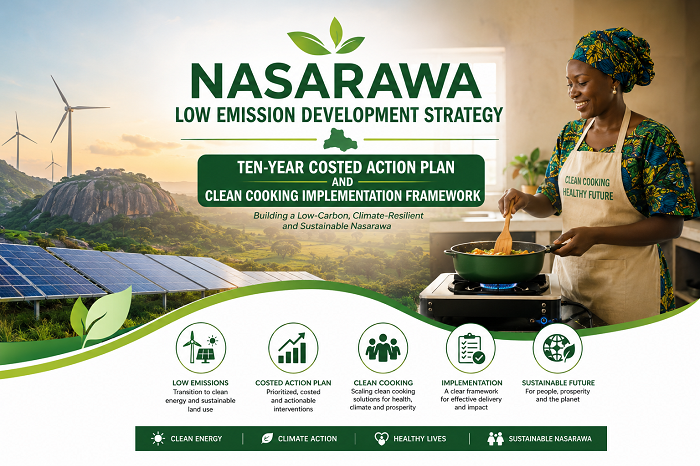
In a bid to tackle climate change head-on, stakeholders in Nasarawa State have been urged to fully embrace the Low Emission Development Strategy, with a strong focus on shielding women in rural communities from its harshest effects.
The call was made by Habiba Balarabe Suleiman, Director General of the Nasarawa State Human Capital Development Agency, during the Stakeholders Validation of the Draft Nasarawa Low Emission Development Strategy, Ten-Year Costed Action Plan, and Clean Cooking Implementation Framework held in the state.
The validation session was convened by the Human Capital Development Agency in partnership with Murty Avail, civil society organizations, and women’s and youth groups. The goal: dig into the real factors driving emissions in Nasarawa and map out practical ways to curb the rising toll of climate change on local communities.
Addressing participants, DG Habiba Balarabe Suleiman described the exercise as a critical step to bring everyone to the table. She explained that the forum wasn’t just about reviewing research on deforestation and emissions, but also about getting stakeholder input to sharpen the strategy. More importantly, she said, it’s a chance to take the message to the grassroots — especially rural areas — where awareness of low-emission practices can make a life-changing difference.
“The people in our villages need to understand why this matters and how small changes can protect their farms, health, and future,” she noted.
Other speakers echoed the urgency. Muhammed Sani Sidi, Director General of the Nasarawa State Bureau for Rural Development Agency, and Dr. Adnan Aminu, Head of Green Growth, both stressed that the validation would help cut down harmful practices like indiscriminate tree felling. They believe the plan will directly address activities that worsen climate risks in the state.
The technical side of the strategy was broken down by experts from Murty International Ltd. Green Growth Analyst Oluwasubomi Oyelade and Associate Green Growth Aminat Kareem presented the NASLEDS Overview and the 10-Year Costed Action Plan. Both pointed to one big solution: sustained awareness and sensitization. They urged stakeholders to move beyond meeting rooms and engage communities directly, saying that real change starts when people understand and own the message.
By the end of the session, participants were expected to put forward concrete suggestions and recommendations to improve the adoption of low-emission products and practices across Nasarawa. The hope is that these inputs will shape a plan that not only looks good on paper but actually reduces the state’s climate burden — especially for rural women who often bear the brunt of environmental shocks.
The validation marks another step in Nasarawa’s push to balance development with sustainability, and to make climate action something every community can see, feel, and benefit from.