
Solar Power Transforms Rural Communities In Keffi
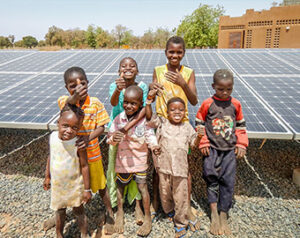
While electricity supply remains a major challenge in many parts of Nasarawa State, some rural communities are turning to solar energy to power homes, businesses, health facilities and other essential services.
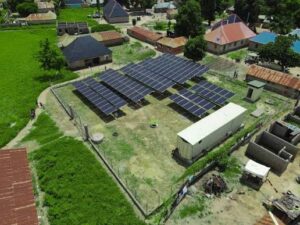
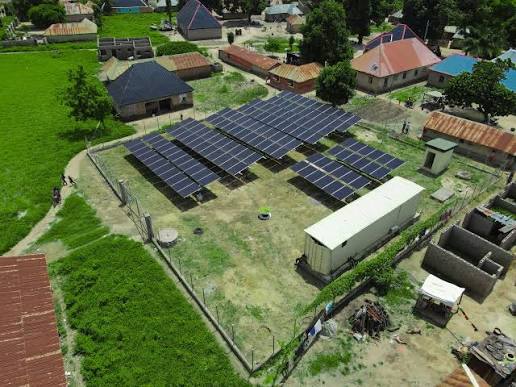
In the Western Senatorial Zone, communities including Arusu, Kadere, Ajuye and Bakin Ayini have embraced solar-powered mini-grids, raising questions about what is driving the success of the model in rural areas and why similar systems are yet to become widespread in major towns.
In some communities across the Western Senatorial Zone of Nasarawa State, residents who once depended heavily on generators and other alternative sources of electricity now have access to solar-powered mini-grids.
In Arusu Community, the facility developed by Husk Power Systems provides electricity to households, businesses and public facilities, according to residents including Moses Obiya, Obamsebe David Obamsebe, Onyema Stephen, Solomon Odoji and Precious Sunday.
“Before the solar electricity, we depended mostly on generators and sometimes had no electricity at all. Now, we have regular power for our homes and businesses. We pay according to the amount of electricity we consume.”
In Bakin Ayini Community, residents including Victor Akunaza, Raphael Atsimaigwo and Obadiah Augustine say the solar mini-grid, operated by Mebular Engineering, is also changing their experience with electricity.
“The difference is clear. We can charge our phones, operate our businesses and use electrical appliances without depending on petrol generators all the time. The payment is through the company’s metering system.”
The residents explain that solar mini-grid customers generally pay for electricity through prepaid or smart-meter arrangements, allowing them to manage their consumption, while customers connected to the conventional electricity grid are billed through the electricity distribution system.
For many of the rural residents, the availability of solar power has not only improved access to electricity but has also provided opportunities to extend business hours and carry out household activities more conveniently after dark.
“Since we started using solar electricity, our businesses can stay open longer, and we can carry out activities at night. It has made life easier for us compared to when we depended on generators.”
All efforts to speak with the companies managing the mini-grids were unsuccessful at the time of filing this report.
With Nasarawa already hosting several solar mini-grid projects, the question remains whether the model can be expanded beyond rural communities to growing urban centres, where reliable and affordable electricity is also essential for homes, businesses and public services.