
Flood Risks Rise as Rainy Season Intensifies in Keffi
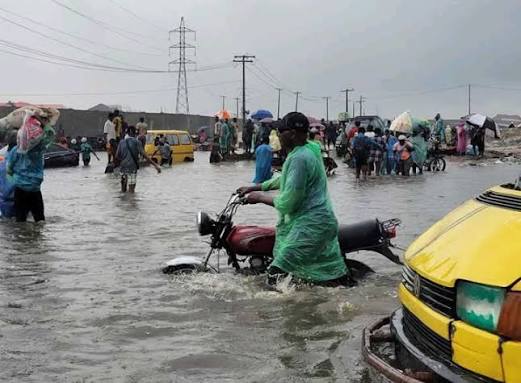
As the rainy season intensifies across the country, there are growing concerns over the vulnerability of flood-prone communities to the devastating impact of flooding.
Despite repeated warnings from relevant authorities and the painful experiences of previous years, questions remain over the level of preparedness among residents and government agencies to mitigate possible disasters.
Heavy rainfall, inadequate drainage systems, indiscriminate dumping of refuse into waterways and uncontrolled physical development have continued to increase the risk of flooding in many communities.
With the rainy season already underway, relevant agencies, including the National Emergency Management Agency, NEMA, the Nasarawa State Emergency Management Agency, NASEMA, and the Nigerian Meteorological Agency, NiMet, have repeatedly advised residents of flood-prone communities to take precautionary measures by clearing drainage channels, avoiding indiscriminate waste disposal and relocating from high-risk areas where necessary.
A visit by NBS News to some flood-prone communities revealed that while a few residents have begun clearing drainage channels and moving valuable property to safer locations, many waterways remain blocked with refuse and other debris, raising concerns over the possibility of flash floods if heavy rainfall persists.
Some residents, including Alex Bitrus and Kingsley John, expressed concern over the recurring flooding in their communities and appealed to the government to provide additional drainage infrastructure, desilt waterways and intensify public enlightenment campaigns.
The Area Officer of the Greater Karu Development Agency, Usman Ibrahim, attributed part of the recurring flooding to the indiscriminate disposal of refuse by some residents, stressing that government alone cannot solve the problem without public cooperation.
An environmental expert from the Faculty of Environmental Sciences, Nasarawa State University, Keffi, Dr. Sunday Yusuf Kpalo, described flood prevention as a collective responsibility.
He urged residents to heed early warning messages, avoid building on waterways, keep drainage channels free of refuse and promptly report blocked culverts and other flood risks to the appropriate authorities.
As the rains continue, stakeholders believe that early preparedness, community participation and timely government intervention remain the most effective strategies for minimising the loss of lives and property in flood-prone communities across Nasarawa West Senatorial District.