
Inconsistent Budgetary Allocation Hampering Fight Against Public Health Diseases in Nasarawa – NEPHWAN
The fight against prevailing public health diseases in Nasarawa State is being hampered by inconsistent budgetary allocations, shortage of healthcare personnel and inadequate infrastructure.
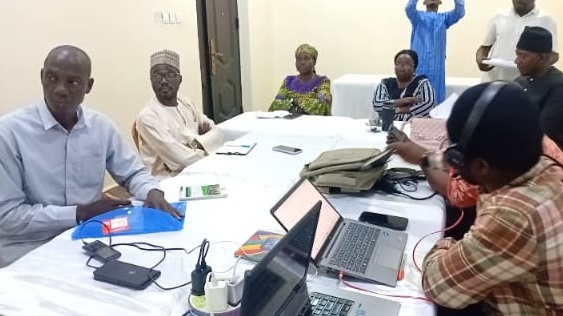
These concerns were raised during a media roundtable organised by the State Advocacy Team implementing the Community-Led Monitoring (CLM) Project under the Network of People Living with HIV/AIDS in Nigeria (NEPHWAN).
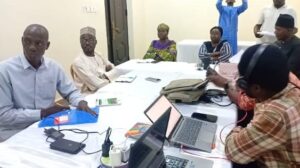
The meeting, held at Tazu Hotel in Lafia, provided a platform for stakeholders in the health sector to assess the achievements of the project and identify challenges affecting effective healthcare delivery in the state.
Speaking on the implementation of the CLM Project over the past three years, the State Programme Officer and Lead Community-Based Organisation under NEPHWAN, Solomon Mbam, said the initiative had recorded significant improvements in healthcare infrastructure and the availability of essential medical commodities in some health facilities across Akwanga, Lafia and Karu Local Government Areas.
He, however, identified persistent shortages of healthcare personnel, infrastructure deficits and other service delivery challenges as major obstacles limiting access to quality healthcare services and the revitalisation of Primary Healthcare Centres across the state.
During the priority-ask session, stakeholders deliberated on the identified challenges and proposed practical measures to address them, while government representatives highlighted ongoing interventions and plans to bridge existing gaps in the health sector.
Representatives of key health partners, including the Control of Tuberculosis, Leprosy and Buruli Ulcer Programme, AIDS and Viral Hepatitis programmes, the Institute of Human Virology Nigeria, the Association for Reproductive and Family Health and other Community-Based Organisations, called for improved funding and increased recruitment of healthcare workers.
They also urged the media to strengthen public awareness and sensitisation on prevailing public health issues.
In their response, media representatives pledged stronger collaboration with health sector stakeholders in disseminating relevant public health information but identified bureaucratic bottlenecks as a major constraint to accessing information from relevant government agencies.
The State Coordinator of NEPHWAN, Ruth Akolo Dauda, appreciated the partners for their commitment and contributions towards the successful implementation of the project.
She noted that their collective support had contributed significantly to improving community access to primary healthcare services across the state.