
Southern Nasarawa Communities Experience Flood Risk
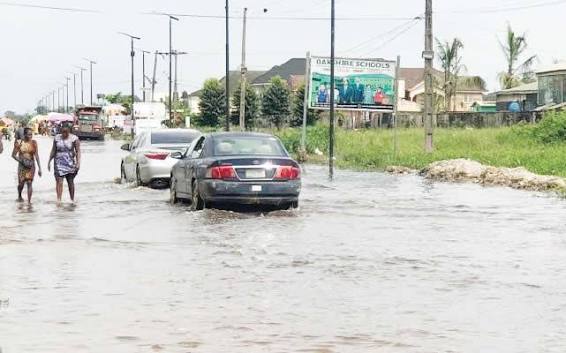
The southern part of Nasarawa State remains one of the areas most vulnerable to flooding due to its location along the Benue River floodplain and its tributaries.
During periods of heavy rainfall or the release of water from the Lagdo Dam in Cameroon, many communities in the area face heightened risks of devastating floods, resulting in the destruction of lives, farmlands and property.
Communities located along the Benue River, River Mada and their adjoining floodplains are among the worst affected whenever flooding occurs.
Flood experts, including a lecturer at the Federal University of Lafia, Dr. Jibrin Agabi, and Ibrahim Ogoshi, explain that assessments conducted by the International Organization for Migration, IOM, the National Emergency Management Agency, NEMA, and the Nigeria Hydrological Services Agency, NIHSA, have identified several communities experiencing recurrent flooding.
The affected communities include Azara, Jangwa, Tunga, Ribi and Kanje in Awe Local Government Area; Alagye, Doma Town, Agbashi, Akpanaja and Sabon Gari in Doma Local Government Area; as well as Keana Town, Aloshi, Giza, Oki and Obene in Keana Local Government Area, among others.
The Nasarawa State Coordinator of the Agro-Climatic Resilience in Semi-Arid Landscapes, ACReSAL, Dr. Napoleon Elias Gyobe, said the ACReSAL Project and the World Bank are implementing interventions aimed at reducing the impact of flooding across the state.
“We thank Governor Abdullahi Sule and the World Bank for supporting ACReSAL to carry out its intervention projects.”
Dr. Gyobe added that the project remains committed to supporting vulnerable riverine communities, including Doma Town, Azara, Loko, Udeni, Keana Town, Katakpa, Gadabuke and Umaisha, through public enlightenment campaigns on flood prevention and disaster preparedness.
“ACReSAL’s core mandate is to support vulnerable communities and provide interventions for those affected by flooding, gully erosion and other environmental challenges.”
While commending the Abdullahi Sule administration for its efforts in flood control and land degradation management, Dr. Gyobe urged residents to refrain from blocking natural waterways and drainage channels, warning that such activities significantly increase the risk of flooding.
“When human activities that contribute to flooding are reduced, the incidence of flooding will also reduce.”
Also speaking, the Administrator of Ekye Area Administrative Council, Prince Abubakar Jibrin Engya, called on government at all levels to intensify flood awareness campaigns.
He noted that timely information and early warning would enable residents of flood-prone communities to relocate to safer areas before disaster strikes.
Experts have continued to stress that while flooding cannot be completely prevented, its devastating impact can be significantly reduced through effective environmental management, public awareness, early warning systems and strict compliance with government directives.